
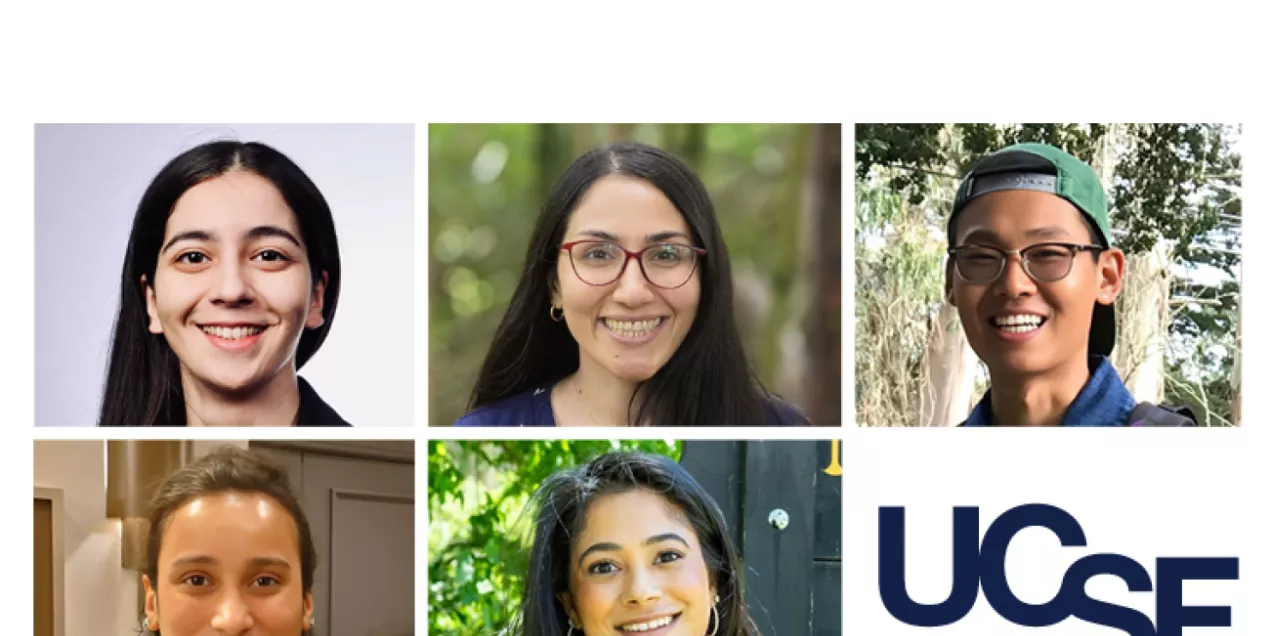
We are proud to highlight the contributions of our postdoctoral researchers this National Postdoc Appreciation Week. Their work spans neuroscience, imaging science, musculoskeletal health, and speech research. Each brings a unique perspective and dedication to advancing knowledge and patient care.
Atlas Haddadi Avval, MD: AI and Medical Imaging for Pediatric Brain Tumors
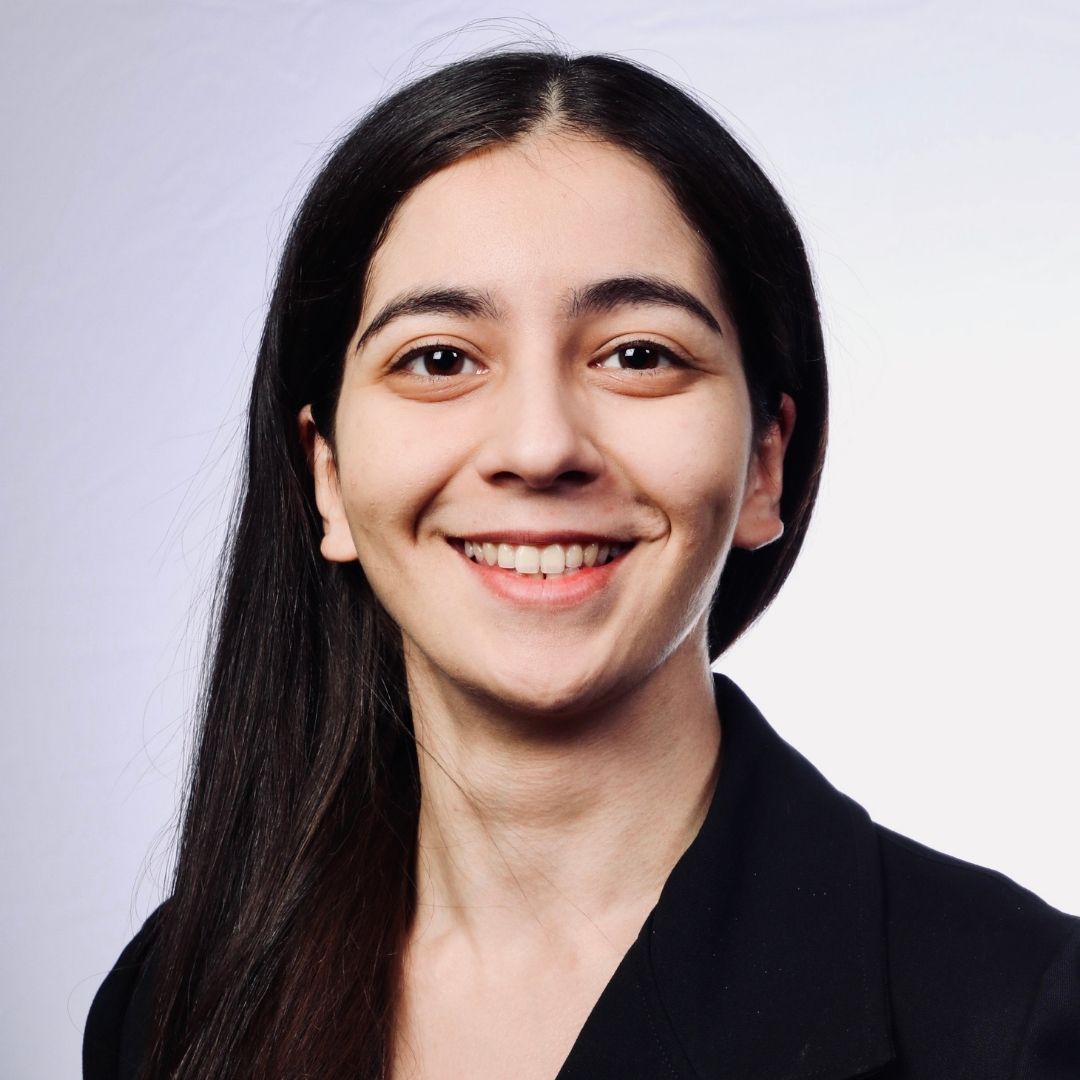
For Atlas Haddadi Avval, doing research in AI & imaging science brings together a lifelong passion for both medicine and computer science. "Radiology has always fascinated me because imaging allows us to visualize disease from a completely different perspective and helps solve the puzzles of complex pathologies. It enables us to diagnose pathologies non-invasively."
Atlas is currently leading a project on diffuse midline glioma, a rare pediatric brain tumor. "We are investigating whether AI algorithms can help characterize these tumors and predict their progression over time." Believing that AI can play a key role in the early detection of progression, Atlas hopes this work will ultimately improve outcomes and survival for patients.
Her advice to future postdocs is to "set aside dedicated time for research and work, but also establish clear boundaries to maintain a healthy work–life balance and avoid burnout." Atlas also emphasizes the importance of leaning on mentors, "They provide the most valuable guidance."
Fahimeh Arab: Computational Neuroscience and Brain Connectivity
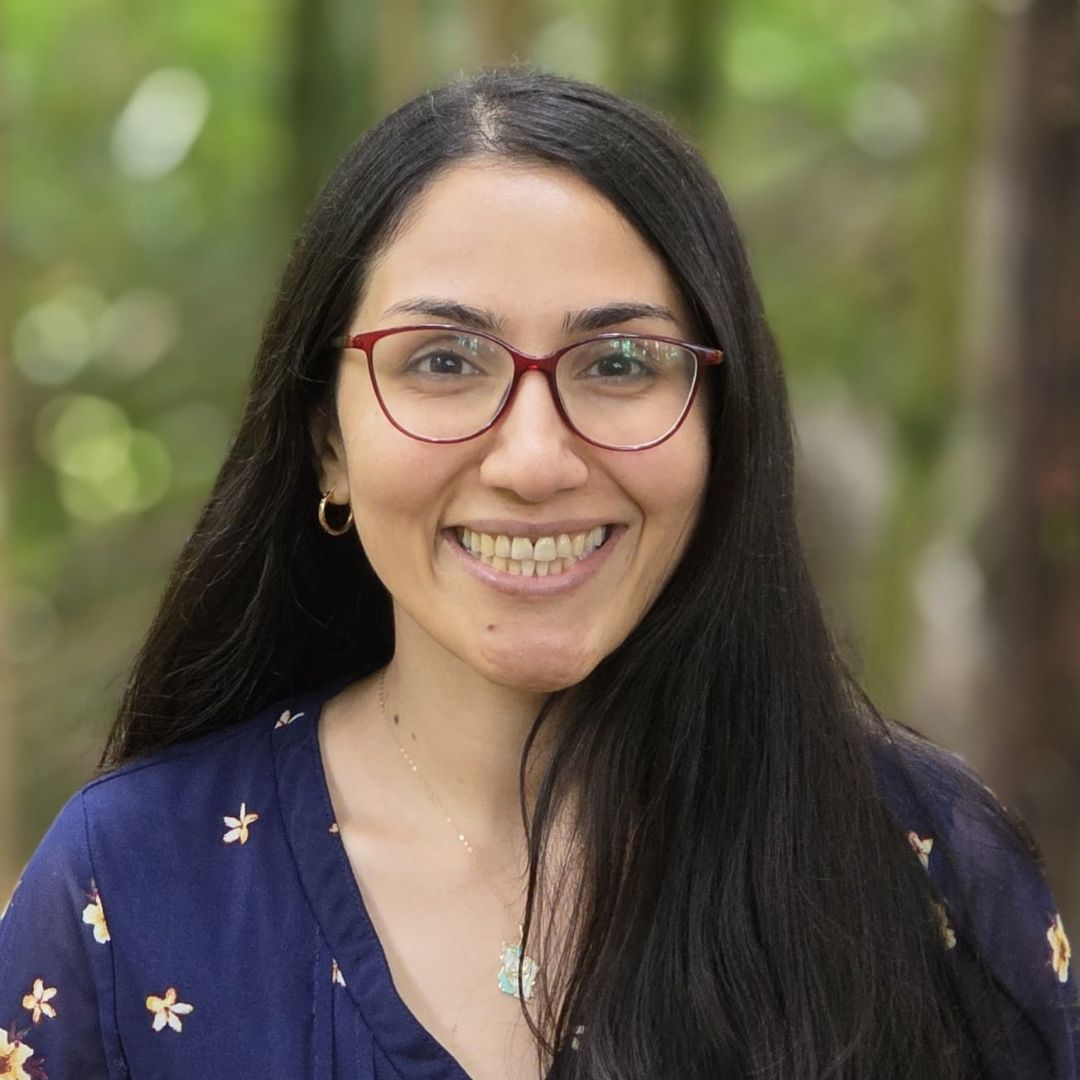
Fahimeh Arab's path into neuroscience was anything but straightforward. "My journey wasn't a linear path. I was trained as an electrical engineer and worked as a Digital Signal Processing Engineer for five years." She was always fascinated with how different complex systems can be modeled based on signals, and also had a passion for knowing more about the brain.
Her postdoctoral work at UCSF allows her to explore how brain structure and function interact. "One clear distinction when I joined my postdoc was this idea of how different imaging modalities can add to whatever model we present for understanding the brain." Previously, Fahimeh mostly worked on functional data, but then she saw that adding structural connectivity information could hugely impact how the team can model the brain.
For Fahimeh, the joy lies in pursuing work that feels meaningful. "Every time I read a paper in computational neuroscience, I didn't feel like I was working. The information actually interests me."
Minhao Zhou, PhD: Musculoskeletal Imaging and Bone Health
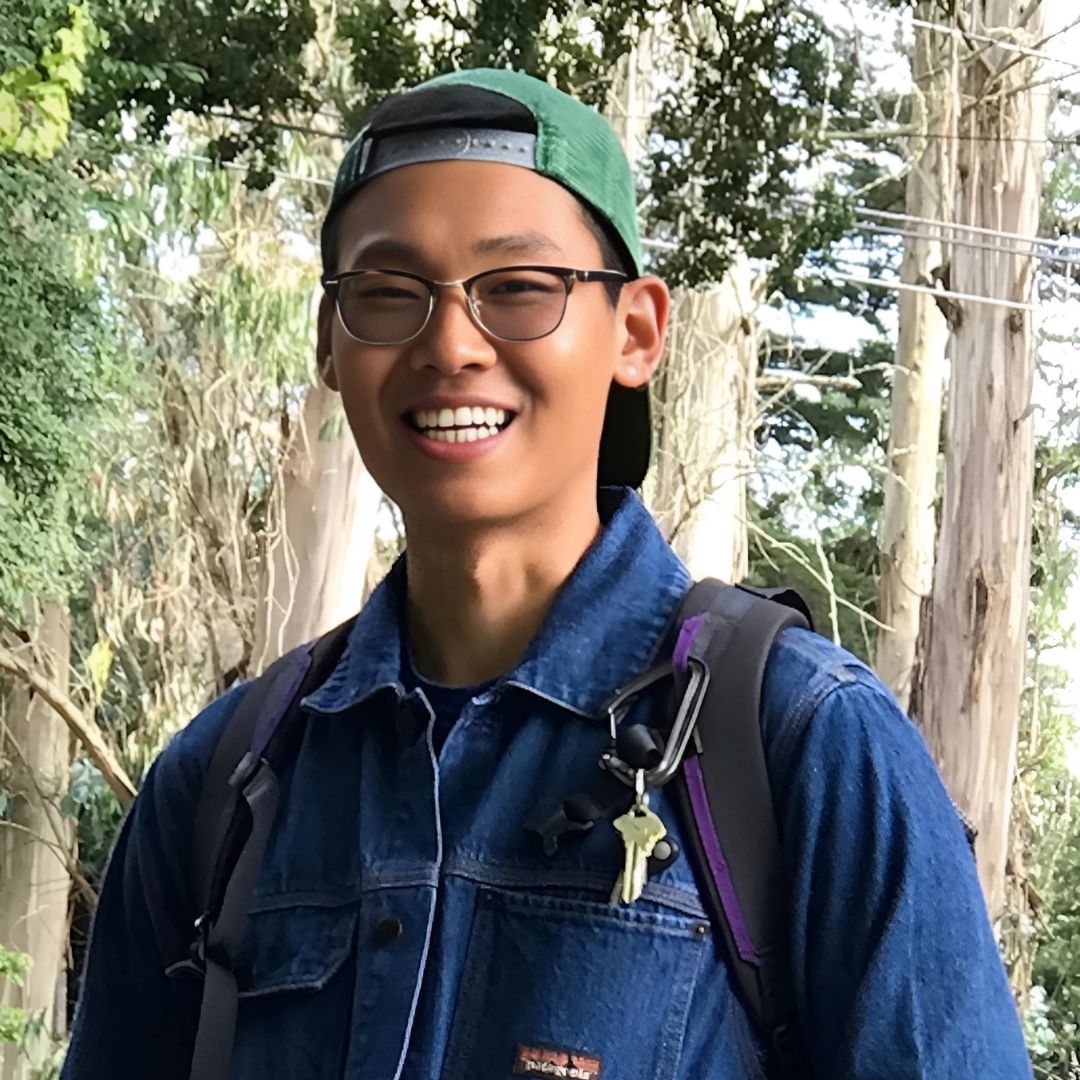
With a background in biomechanics, Minhao Zhou has long been interested in musculoskeletal health. "Personally, I like staying active, and what inspired me to start working in biomechanics was seeing different athletes doing crazy stuff, like bending their bodies into extreme positions." Minhao is extremely interested in the general health of the musculoskeletal system.
Minhao now leads a study on bone health in patients with chronic kidney disease. "We use high-resolution peripheral quantitative computer tomography to take sequential images over time. By comparing images from different time points, we can see changes in bone microarchitecture, how much bone is gained or lost. We call this 'virtual bone biopsy' and use it as a non-invasive, imaging-based tool to assess turnover."
Reflecting on this experience at UCSF, he shares, "There's always someone highly specialized in a specific area that your colleagues, mentor, or friend can point you to." It is a highly collaborative environment at UCSF. "If you are curious about something, you just need to ask and someone will be happy to share their knowledge with you," Minhao adds.
Pooja Prabhu, PhD: Multimodal Neuroimaging and Alzheimer's Research
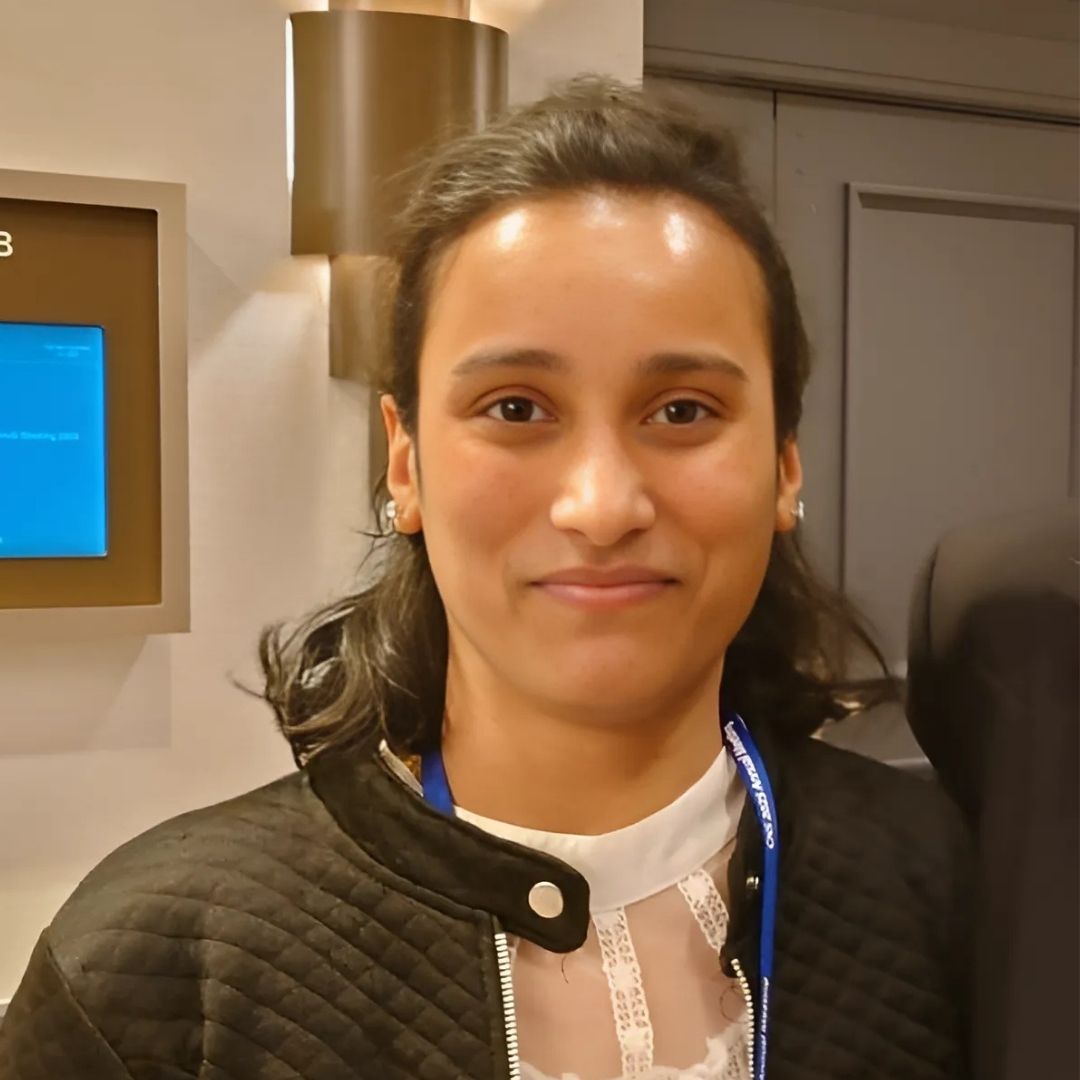
Coming from a rural community in India, Pooja Prabhu's path into research was shaped by both engineering and a desire to make a
social impact. "Being a woman from a rural place, you need to try something with a social impact. Nowadays, with new diseases emerging, there's a need for research."
Her current work focuses on multimodal neuroimaging of brain networks in Alzheimer's disease and primary progressive aphasia. "This convergence of engineering, computational modeling, and neuroscience during my postdoc has enabled me to move toward innovative biomarkers for Alzheimer's disease and analytical frameworks that can more precisely capture disease-related changes in brain networks."
She offers the practical advice to future postdocs that if you don't prioritize which project you want to work on, you'll end up with unnecessary stress. "I've learned the value of setting realistic goals, maintaining flexibility when projects evolve, and relying on strong communications with mentors and collaborators," Pooja shares.
Her message to those considering research is an important one, "Don't question your ability. It's okay if you fail, if your publications don't go well, if your projects don't work for a couple of years. Take that first step, it's worth it. Only when you're out of your comfort zone will you know the taste of success."
Rabab Rangwala, PhD, CCC-SLP: Speech, Swallowing, and Aging Research
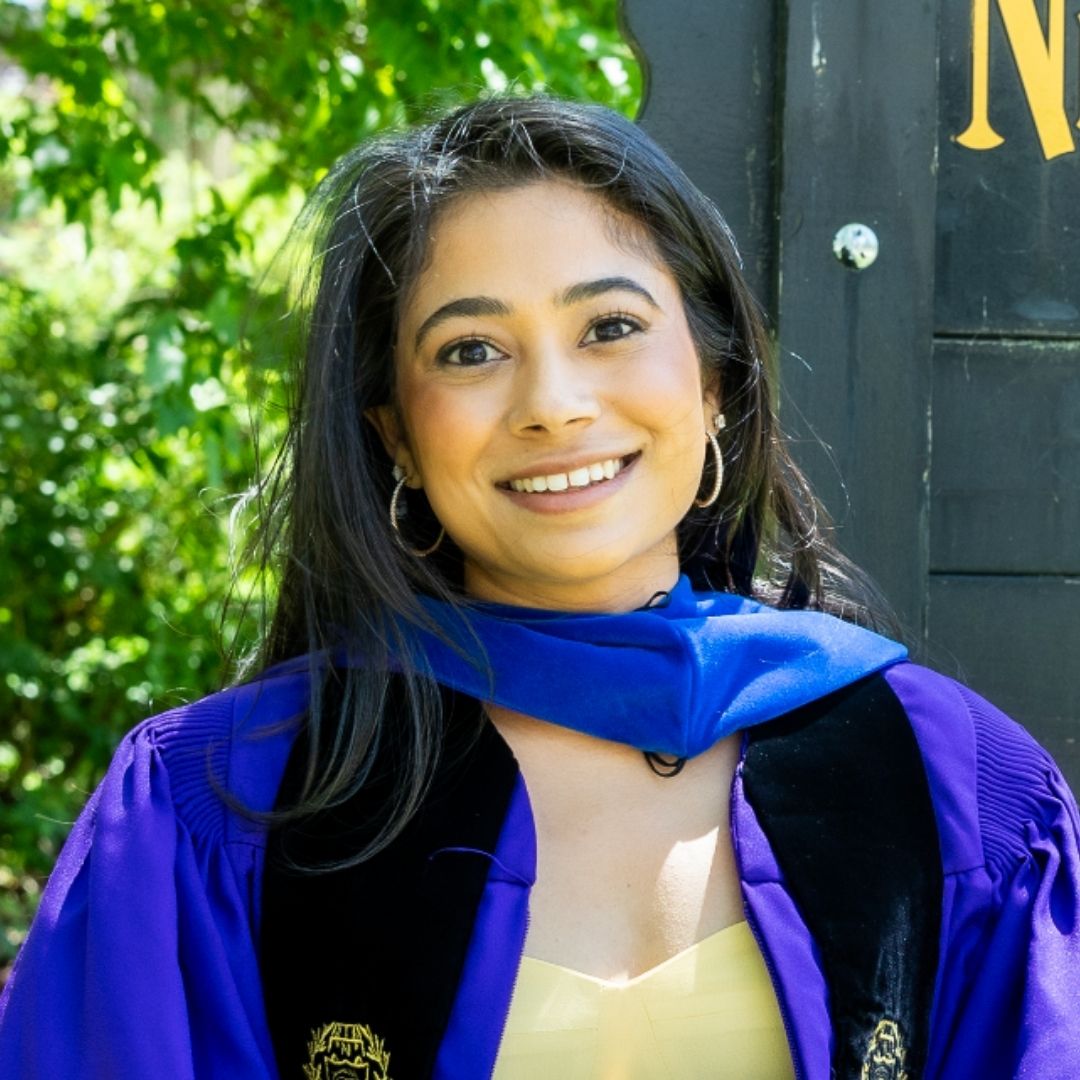
Rabab Rangwala began her career as a clinician before turning to research. "I'm a speech-language pathologist, and I had itching research questions, ultimately leading to my decision to go into research." Her move to UCSF allowed her to expand her expertise into neuroscience and neuroimaging while staying grounded in clinical relevance.
She is leading a study on how healthy aging affects speech production. "Using magnetoencephalography, we examined high gamma cortical activity alongside behavioral responses. It was very interesting to find that young and old adults don't behave the same way in their responses to speech production during pitch perturbation." These results are important because they establish a clear picture of what constitutes healthy age-related changes and what may signal disordered speech motor control.
Rabab's advice for future postdocs is simple but powerful, "Find a clinical question that really makes you curious and you're passionate about. Anchor yourself in that clinical question and permit yourself to stretch technically. The most rewarding growth happens when clinical curiosity and technical expertise meet."
Recognizing Our Postdocs
From computational neuroscience to bone health, from imaging biomarkers of Alzheimer's to the neural underpinnings of speech and swallowing, our postdocs enrich our department with their education, creativity, and collaborative spirit. This week, and every week, we are grateful for and impressed by their contributions to research and patient care.