
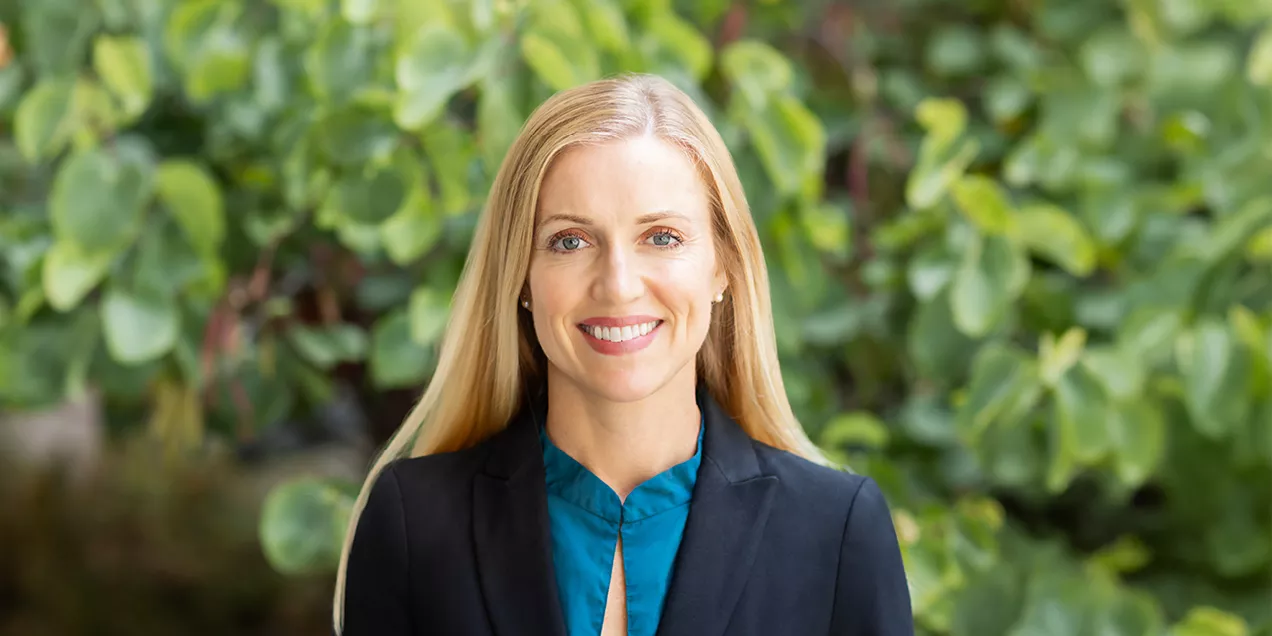
Brittany Harrison, MD, Reflects on Her Path to Interventional Radiology
Interventional radiologist Brittany Harrison, MD, knows that some women who arrive in her clinic have often spent years searching for answers to symptoms that may include chronic but vague pain in the pelvis, flank, leg, or back with non-specific gastrointestinal complaints.
Harrison has developed a strong interest in treating these multi-faceted cases for female patients. Common pathologies include fibroids, adenomyosis, and pelvic venous disease (PeVD) caused by varicose veins deep in the pelvis. Clinicians are still learning how these gynecologic and venous conditions contribute in a layered and nuanced way to inflammation and pain sensitivity.
An advocate for seeing the whole person behind the symptoms, Harrison observes that, “It's amazing how often patients reveal that providers don’t have the time or ability to really listen to them. Sometimes this can be traced to bias against women’s health concerns. Sometimes it’s because we’re still learning about these complex conditions. In our women’s health interventional radiology practice, we want to see these patients before they're in dire straits.”
For many of Harrison’s patients, imaging can tell one story and lab results another, yet the patient’s experience fits with neither. In these cases, Harrison advocates for collaboration and understanding, remarking that “I approach these visits with patience, giving the patient the benefit of the doubt, and frankly with humility, because we still have a lot to learn about these processes.”
Noting that she routinely collaborates with gynecologists, reproductive medicine, and abdominal imaging radiologists, Harrison said, “As interventional radiologists, we’re moving away from being reflexive proceduralists and becoming clinicians who have a more holistic role. Patients are in charge of their health, but we are important and trusted partners."
Coming Home to UCSF
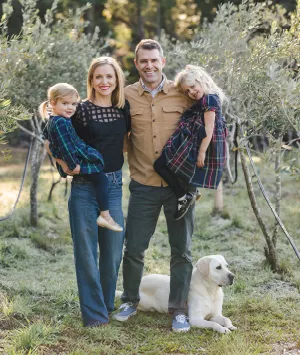
This collaborative, patient-centered philosophy also shaped Harrison's own path back to UCSF in 2025. She grew up exploring the halls where her father worked as a pediatric surgeon and recalls her fascination with medicine and the instruments that physicians used. After college, she explored technology and public relations, representing non-profits for cancer research. Medicine never lost its appeal, and eventually she chose to return to UCSF for medical school.
A medical school mentor, Miles Conrad, MD, MPH, introduced Harrison to interventional radiology. Harrison recalls, “I fell in love with interventional radiology during my first rotation with Miles. He showed how IR is an always-evolving discipline, one that is constantly redefining the future of minimally invasive care. He was kind, generous with his time and energy, and very engaged with everyone around him. He also looked like he was having fun. That was extremely important to me.”
Along her path from trainee to attending faculty physician, Harrison believes the future of interventional radiology begins long before residency with early outreach. Recently appointed associate director of the Integrated & Interventional Radiology Residency Programs, she is passionate about training the next generation of physicians. “We’re involved with education and mentoring before people even choose a radiology residency or subspeciality,” Harrison said. “It's really important to meet people where they are and figure out how to bring them into the mix—to make it accessible and also fun."
One of the challenges both in interventional radiology and across medicine is keeping both the forest and the trees in view. To care for yourself, your patients, and your team, you have to balance the details and the big picture.
Whether she's caring for patients with years of unanswered questions or mentoring future interventional radiologists, Harrison applies the same principles: listen carefully, keep the whole picture in view, and never lose sight of the person behind the diagnosis.